You just spent weeks building a beautiful website. You finally hit publish, run a few social media ads, and watch your analytics dashboard light up. Hundreds of people are visiting your site. But your checkout notification remains completely silent. Nobody is buying anything.
This is the most common, frustrating trap for new entrepreneurs. You are successfully generating traffic, but you are dumping that traffic into a leaky bucket. You expect a stranger to land on your homepage and instantly hand over their credit card, but consumer psychology does not work like that. People need to be guided.
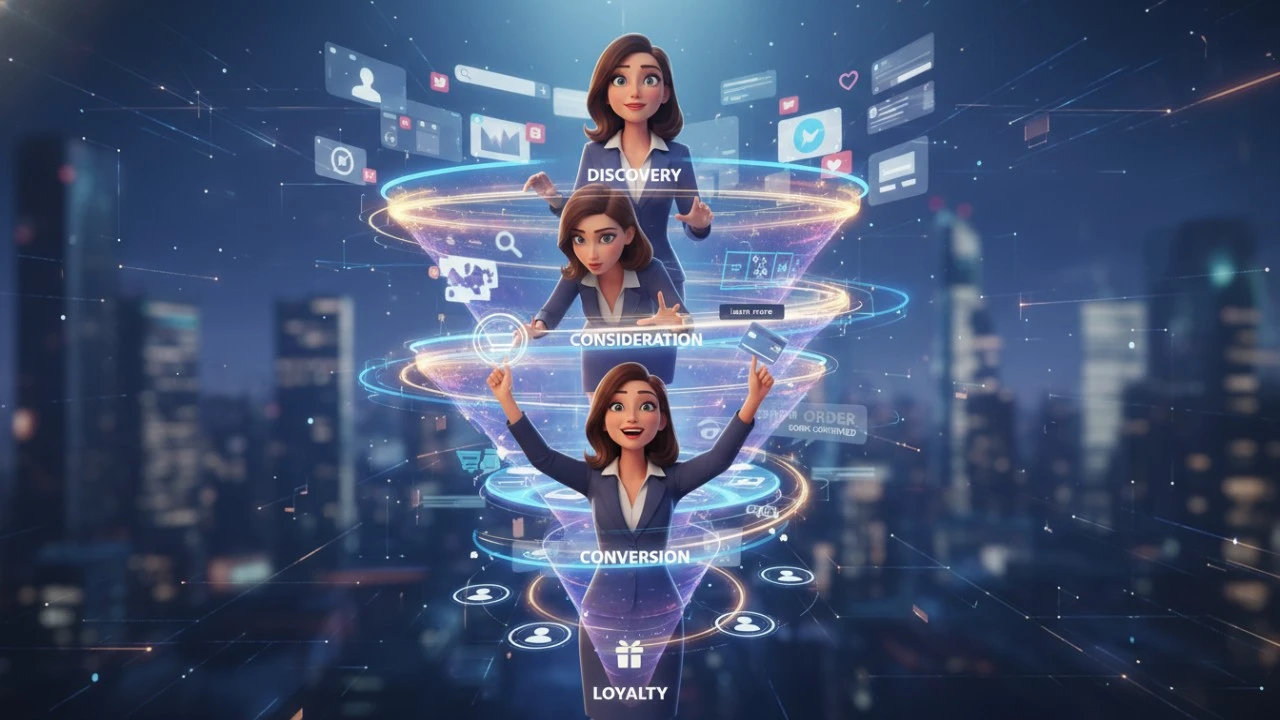
That guidance system is called a marketing funnel. It is a strategic, step by step framework designed to take a complete stranger, introduce them to your brand, build trust, and gently push them toward a sale. If you are tired of watching your hard earned traffic bounce, here is exactly how to build a marketing funnel for beginners, broken down into four actionable stages.
Stage 1: Top of the Funnel (Awareness)
At the very top of the funnel (often called TOFU), your audience has absolutely no idea who you are. They are scrolling through Instagram, searching for answers on Google, or reading tech and gaming blogs. Your only goal at this stage is to grab their attention and make them aware that your brand exists.
Let’s say you are dropping a new heavy weight hoodie collection for RED RIGHT. You cannot just tweet a link to the product page and expect massive sales. You need to cast a wide net with high value, low friction content.
-
SEO Optimized Content: Write highly targeted blog posts or buying guides that answer specific questions your audience is searching for.
-
Short Form Video: Leverage TikTok or Instagram Reels to show off the texture, fit, and aesthetic of the clothing in real world lighting.
-
Technical Foundation: All of this traffic is useless if your site takes ten seconds to load. Run your landing pages through Google PageSpeed Insights. If your mobile site is sluggish, the bounce rate will skyrocket before the customer even sees your logo.
At this stage, do not aggressively push for a sale. Just get them to click the link and land on your website.
Stage 2: Middle of the Funnel (Interest & Consideration)
Congratulations, they are on your website. They have moved into the middle of the funnel (MOFU).
They know you exist, and they think your products look cool, but they are not ready to buy yet. Maybe they are waiting for payday, or maybe they just want to compare your prices with a competitor. If they leave your site now, they will likely forget about you by tomorrow morning.
Your sole objective in this stage is to capture their contact information so you can talk to them again for free.
-
The Lead Magnet: You have to offer an ethical bribe. In e commerce, this is usually a pop up offering a 10% or 15% discount code on their first order in exchange for their email address.
-
The Welcome Sequence: Once they hand over their email, do not just send them the code and go silent. Set up an automated three part email sequence. Email one delivers the code. Email two tells the story behind the brand and your design philosophy. Email three highlights your best selling items with high resolution lookbook photos.
You are actively nurturing the relationship, transforming them from a casual browser into an interested prospect.
Stage 3: Bottom of the Funnel (Decision & Action)
This is the sharp end of the spear. The bottom of the funnel (BOFU) is where the actual money is made.
Your prospect has read your emails, they have the discount code, and they have added that specific graphic tee or hoodie to their digital shopping cart. But at the very last second, they get distracted by a text message and close their browser. You just became a victim of cart abandonment.
To push them over the finish line, you need highly specific, high intent triggers.
-
Retargeting Campaigns: This is where you leverage platforms like Google Ad Manager or Meta Ads. Because the user already visited your site and looked at a specific product, you can serve them highly targeted ads showing the exact item they left behind as they browse other websites across the internet.
-
Scarcity and Urgency: Send a targeted cart abandonment email reminding them that their items are reserved, but their 10% discount code expires in exactly 24 hours.
-
Frictionless Checkout: Make sure your checkout process supports standard western payment gateways like Apple Pay, Google Pay, and Shop Pay. If they have to manually type out their 16 digit credit card number while standing in line for coffee, they will abandon the purchase.
Stage 4: Post Purchase (Loyalty & Advocacy)
Most beginners think the funnel ends the second the credit card clears. That is a massive mistake. Acquiring a new customer is incredibly expensive; getting a previous customer to buy again is cheap.
The moment they complete the purchase, they enter the retention loop.
-
The Unboxing Experience: Ship the product fast, and make the physical packaging feel premium. Include a custom sticker or a thank you note.
-
Review Requests: Send an automated email seven days after delivery asking for a photo review. Offer them a small discount on their next purchase for leaving one.
-
VIP Access: When you launch your next seasonal line, give your email list 24 hour early access before you announce it to the public on social media.
A marketing funnel does not have to be an incredibly complex, 50 step automation matrix. Keep it simple. Attract them with great content, capture their email with a solid offer, retarget them when they get distracted, and treat them incredibly well once they buy.